Graphic & Experience Design
Prepare for a design position in user experience design, user interface design, branding or service design.
NC State University’s Bachelor of Graphic and Experience Design (BGXD) prepares students for careers in user experience and user interface (UX/UI) design, a growing field with strong career opportunities. Graphic and Experience designers are at the forefront of determining how humans communicate and interact with AI systems, designing the conversations, controls, and visual cues that make these tools understandable, useful, and trustworthy. As AI spreads into nearly every industry, the need for designers who can make it work for people is expanding rapidly.
As a student in the Graphic & Experience Design Program, you’ll learn not only visual and interaction design skills, but also the human-centered research methods and design strategies that keep real people’s needs at the heart of your work.
What is the starting salary of NC State University Graphic & Experience students?
The average starting salary in 2025 for NC State University Graphic & Experience Design majors at NC State University was $104,375.
Where do NC State University Graphic & Experience Design alums work?
Our graduates go on to design at companies like IBM, Red Hat, SAS, Lenovo, Citrix, and IQVIA, and at leading firms including Pentagram, IDEO, WillowTree, and R/GA.
How is the NC State University Graphic & Experience Program ranked?
We are the ranked as the #1 public graphic design program in the country.
NC State University’s Graphic and Experience Design Program is consistently recognized as one of the top NASAD-accredited design programs in the country. We offer a bachelor’s degree and a master’s degree.
What do NC State University Graphic & Experience Design students learn?
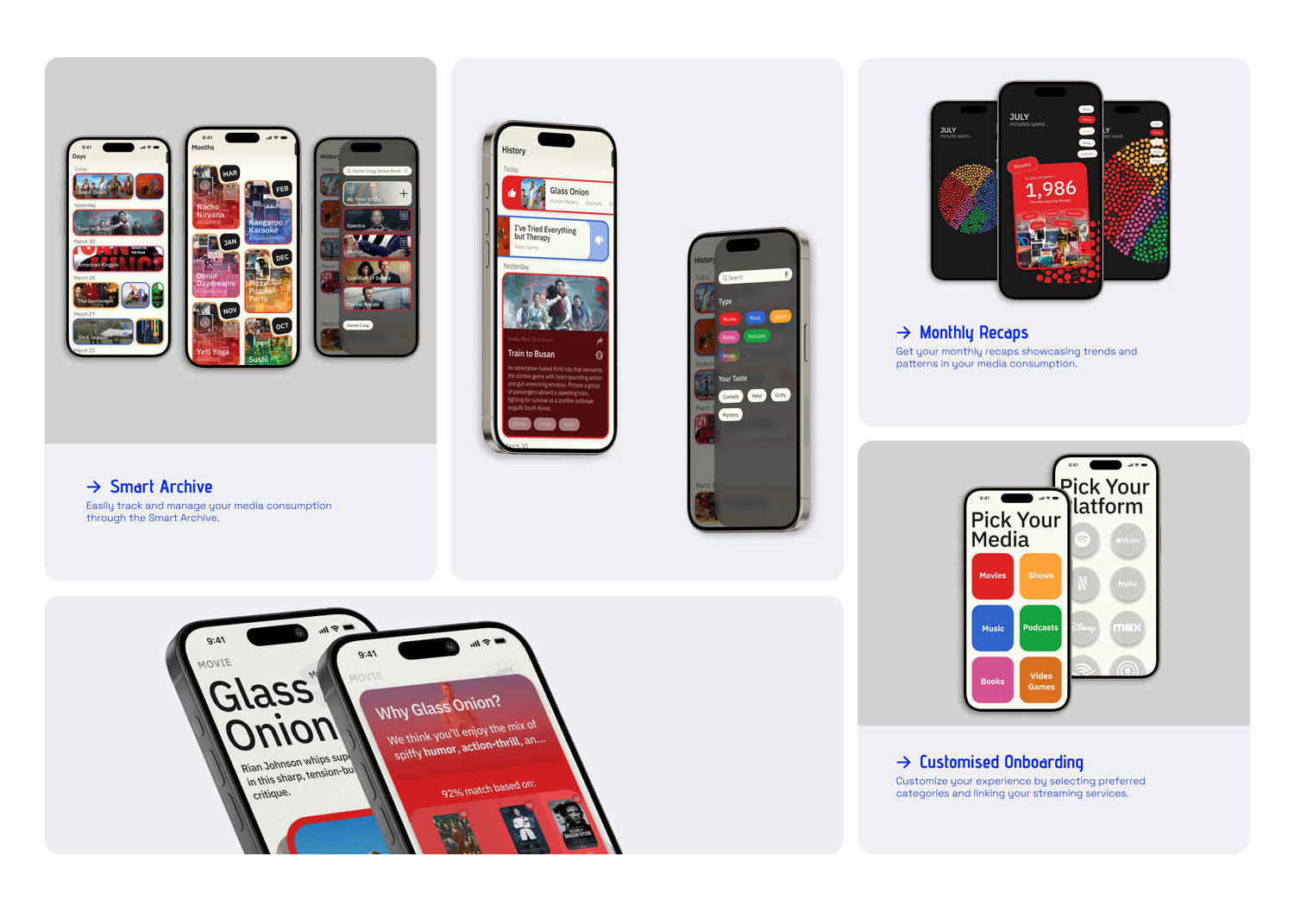
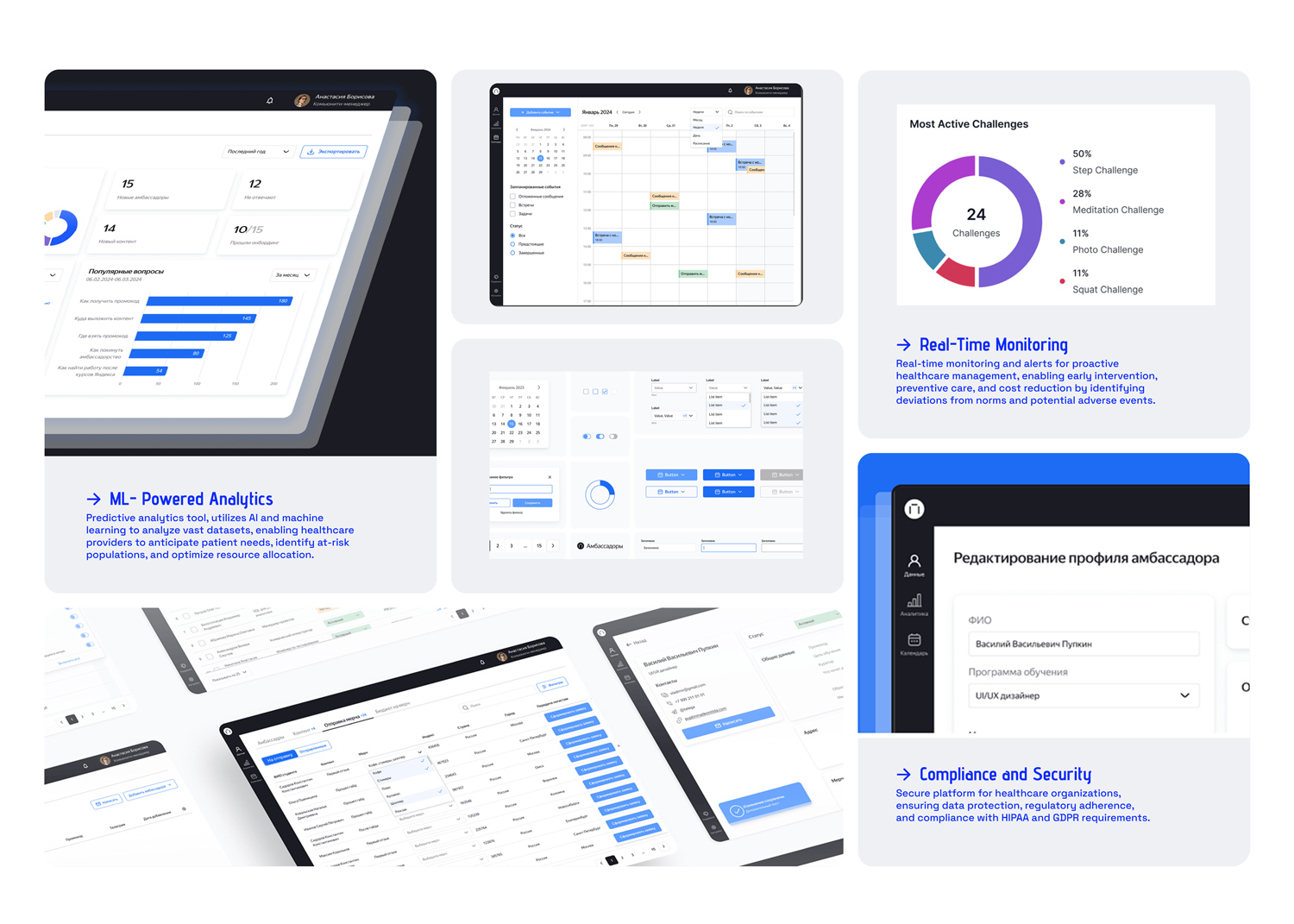
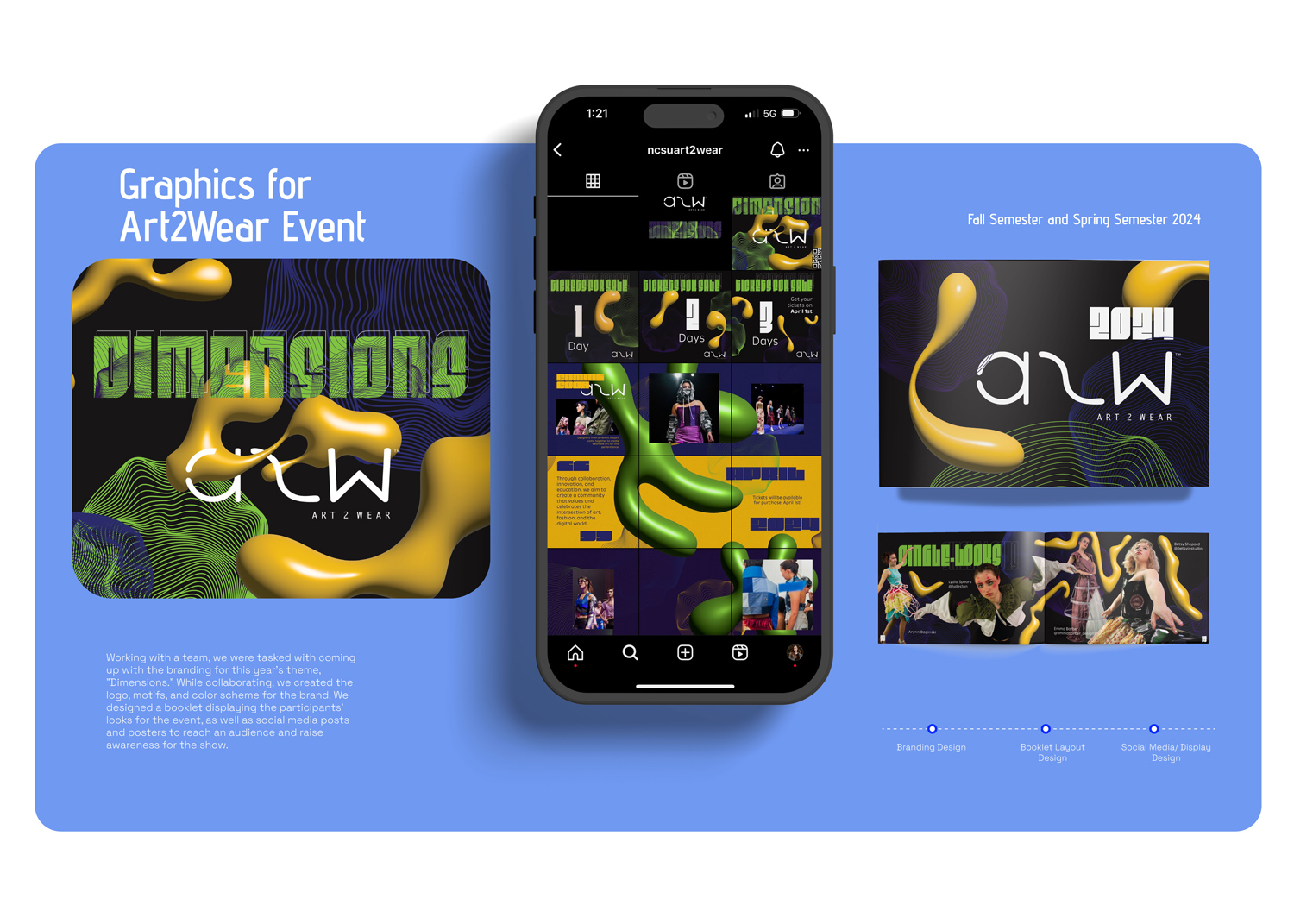
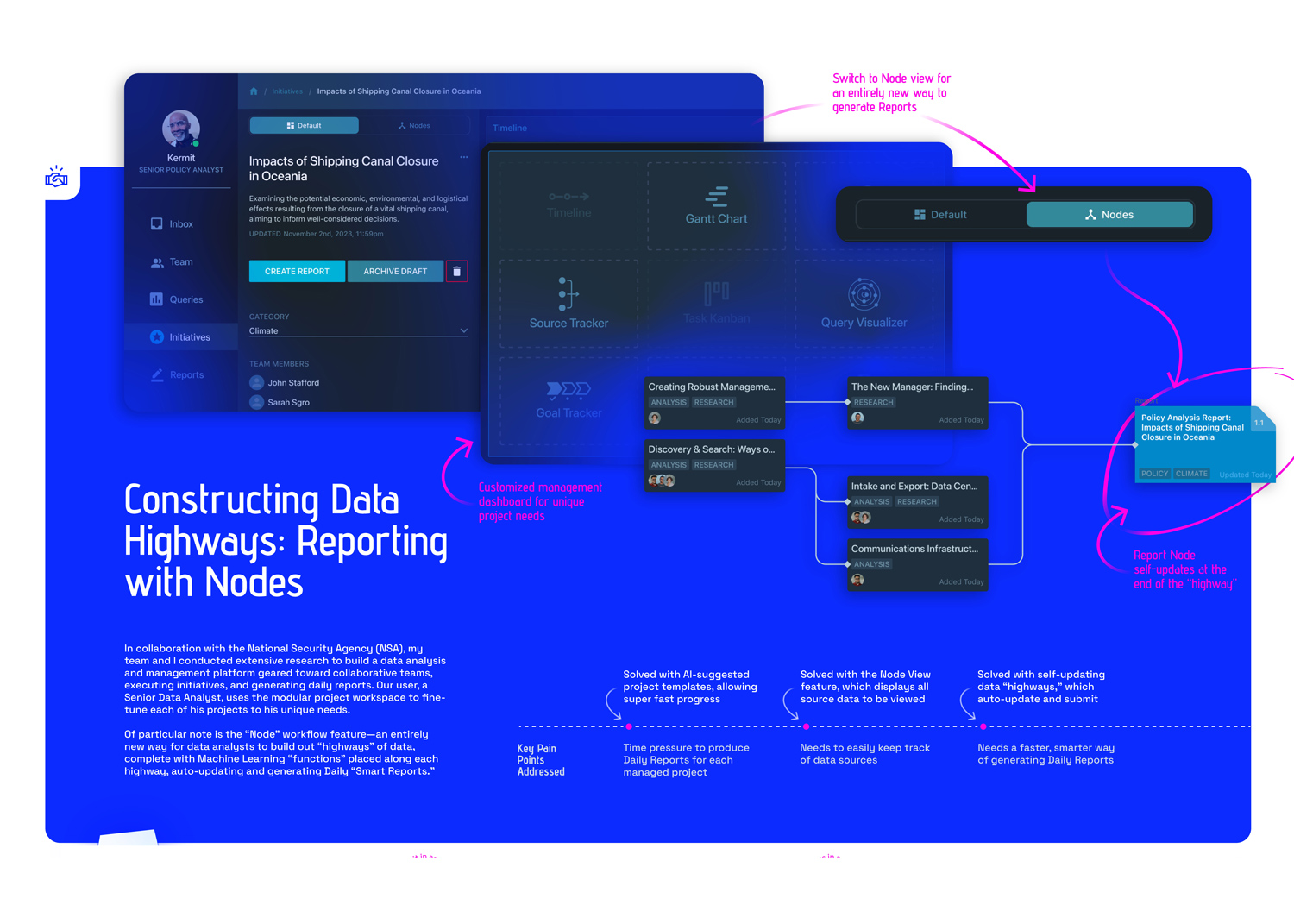
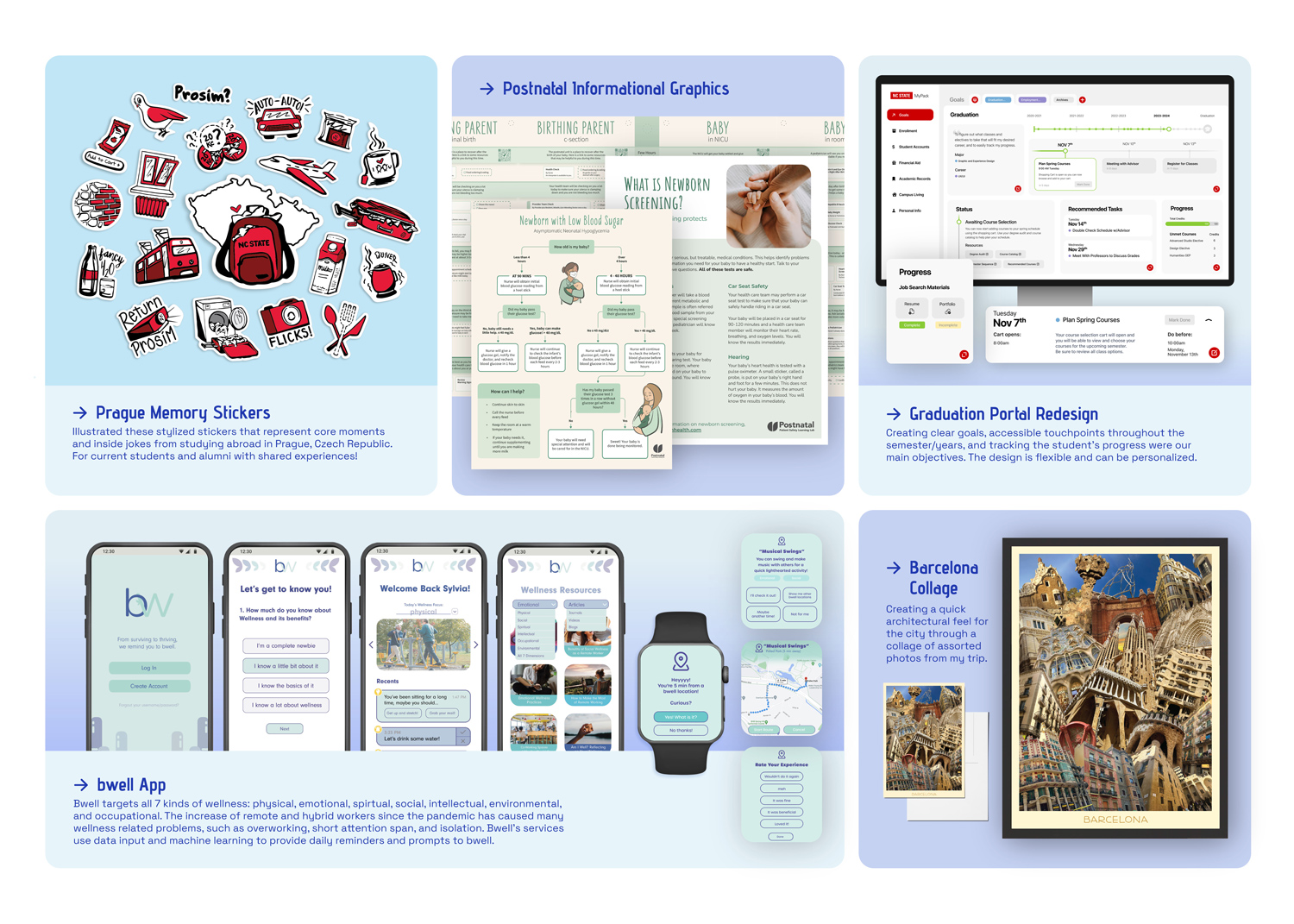
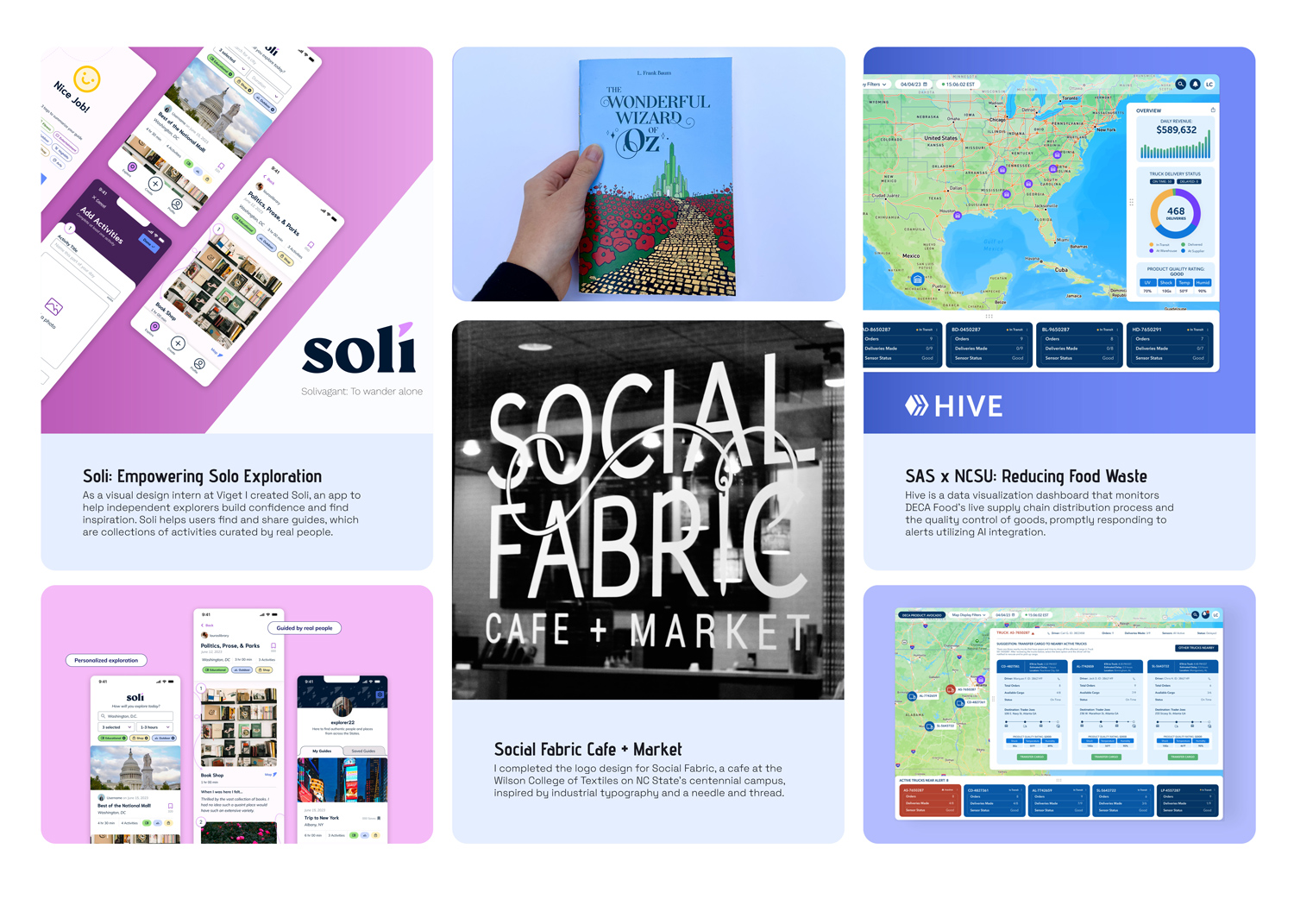
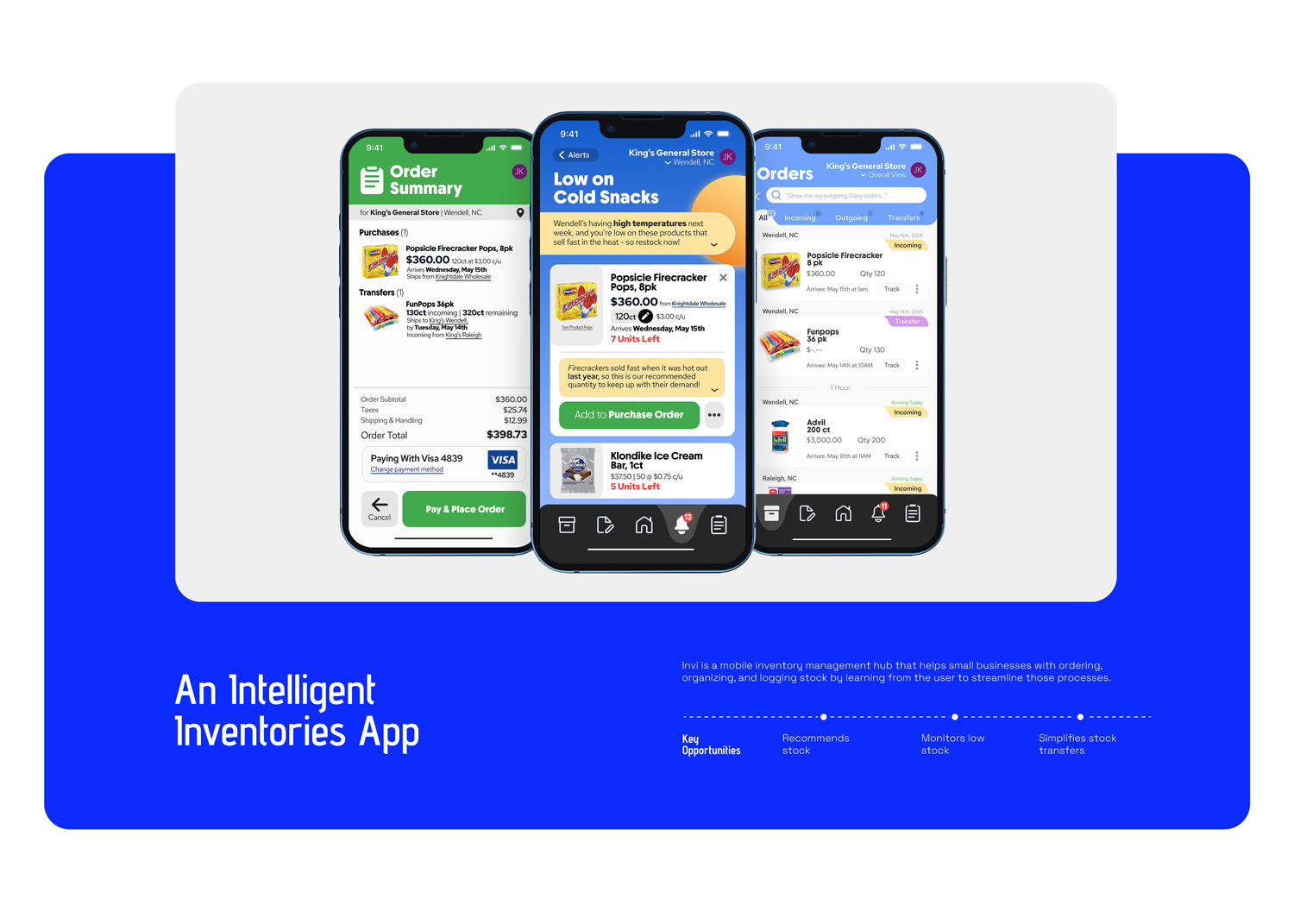
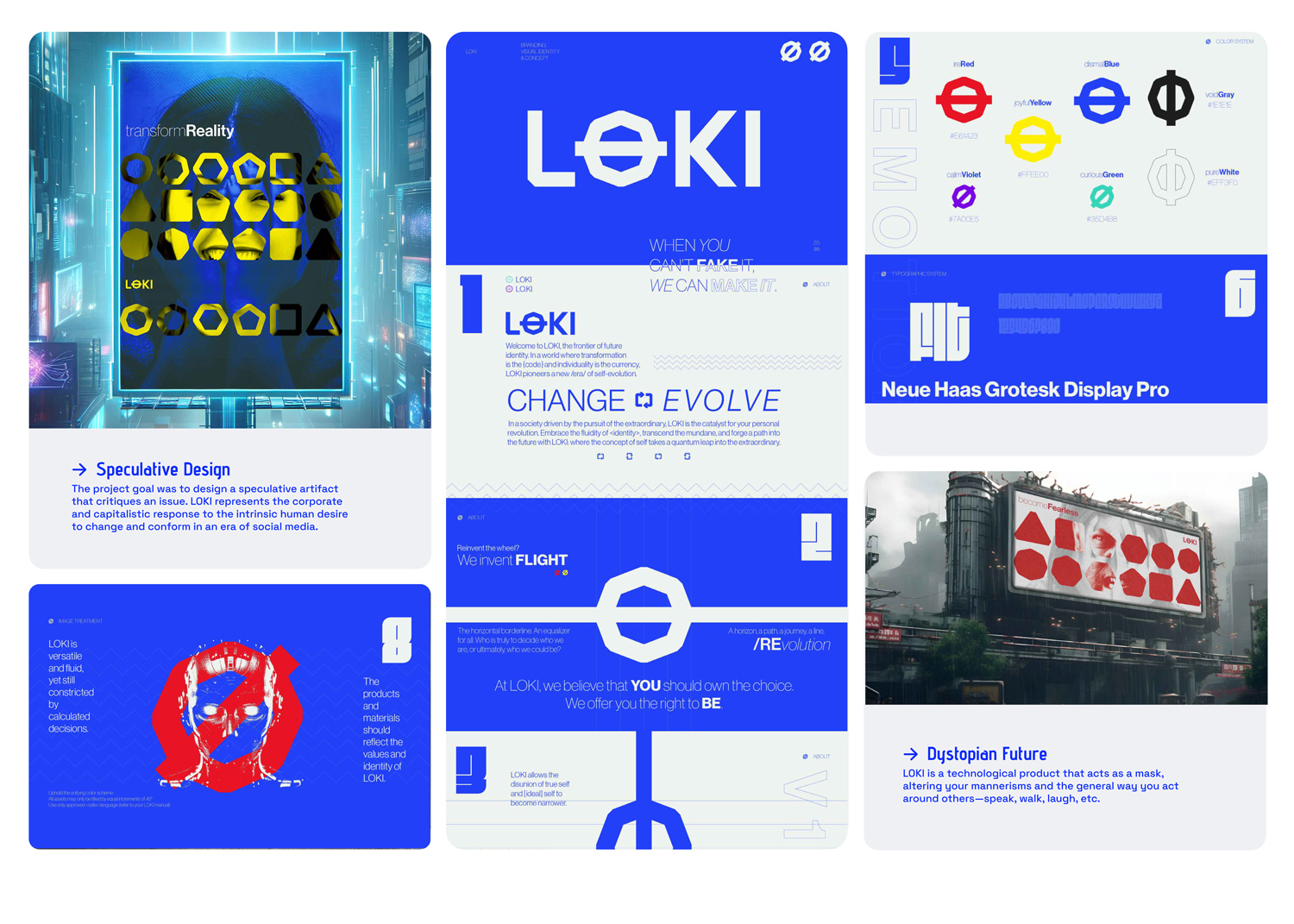
- Visualize, prototype, and produce digital products, conversational interfaces, websites, apps, and identity systems.
- Envision and promote healthy human-machine teaming with AI.
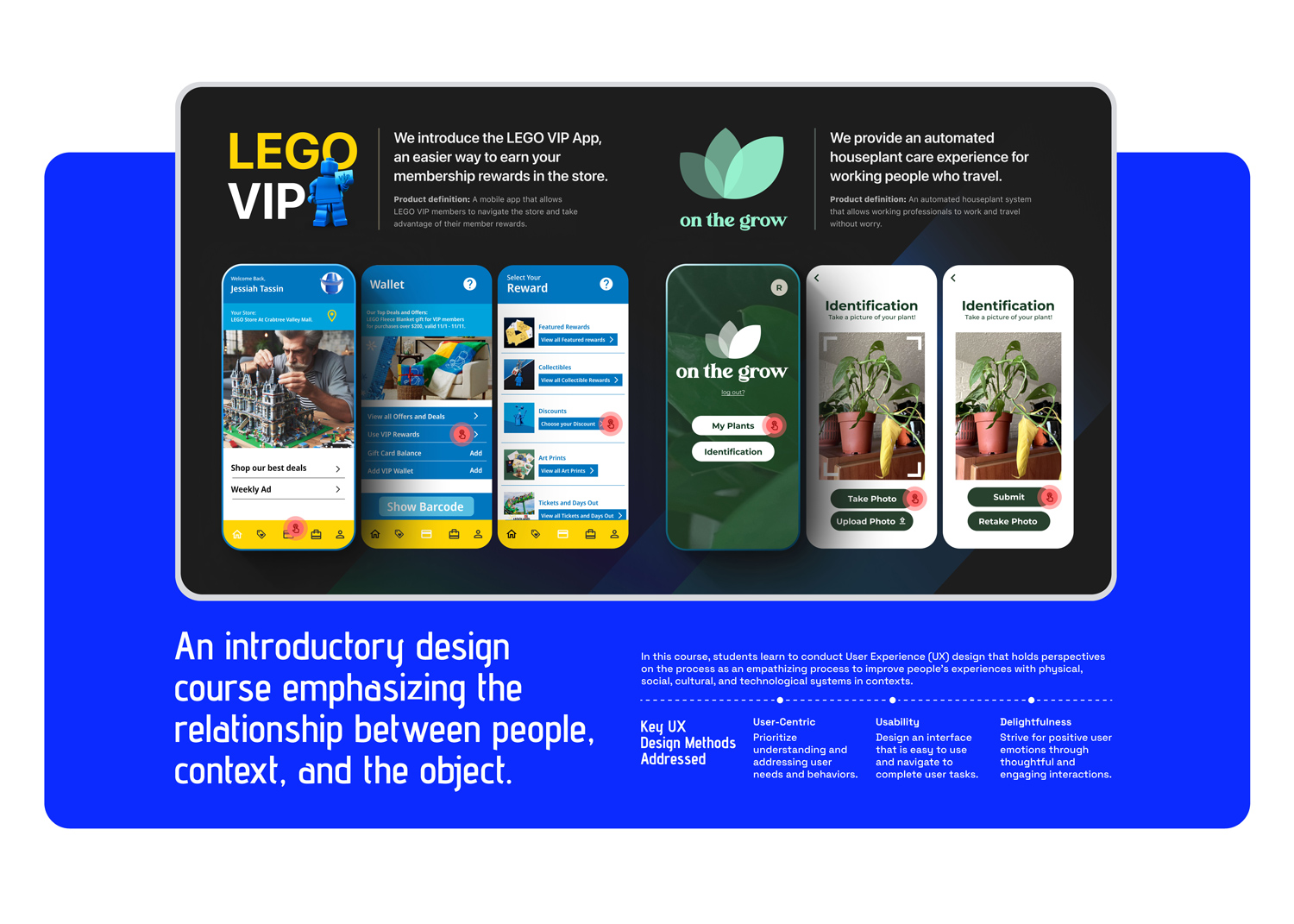
- Employ human-centered research methods to understand and inform design decisions.
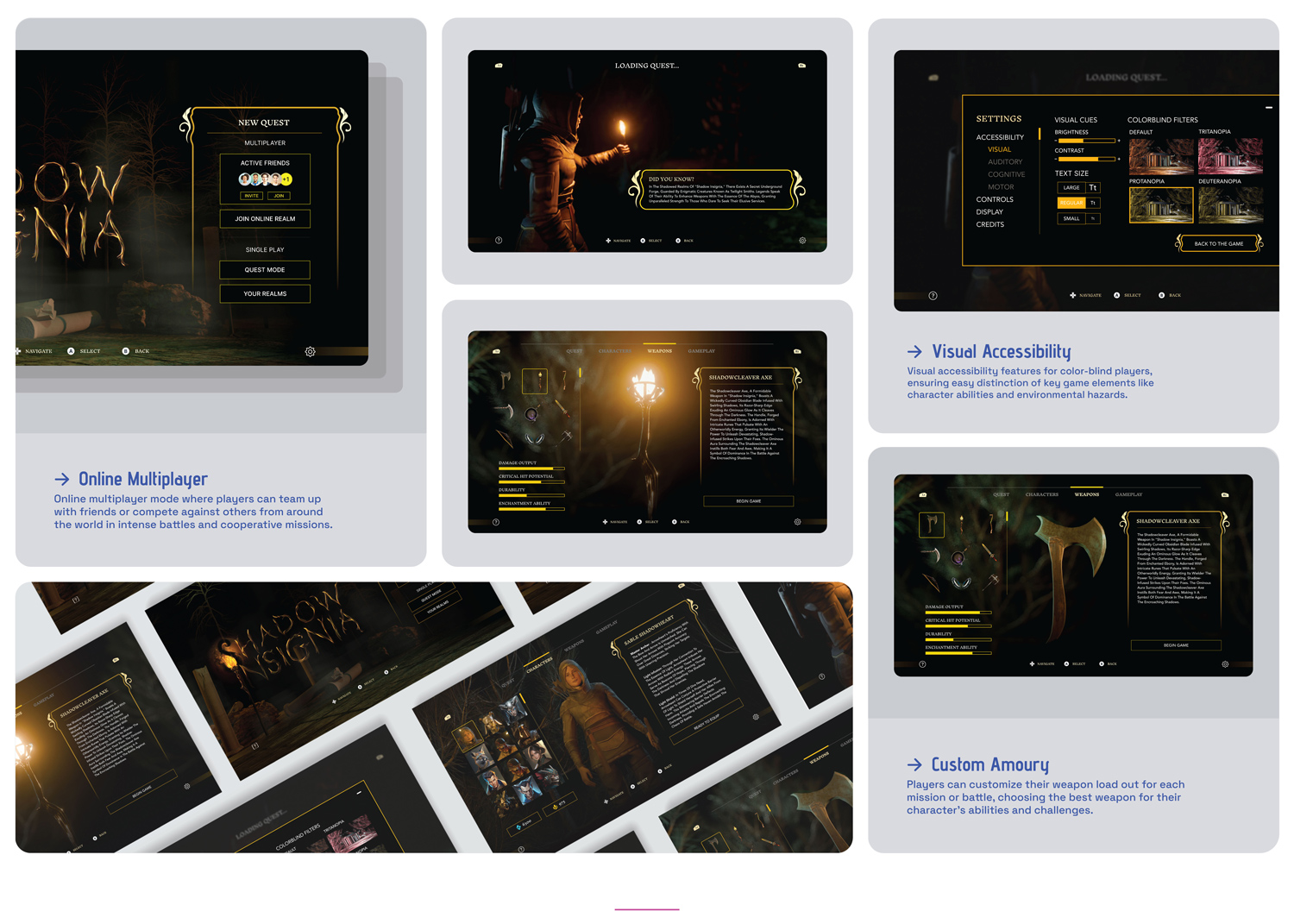
- Develop strategies and systems for making experiences more accessible to users.
- Collaborate with other experts, such as software engineers, ethnographers, data scientists, psychologists, and project managers.
- Explore emerging technologies—data visualization, virtual reality, augmented reality, and artificial intelligence.

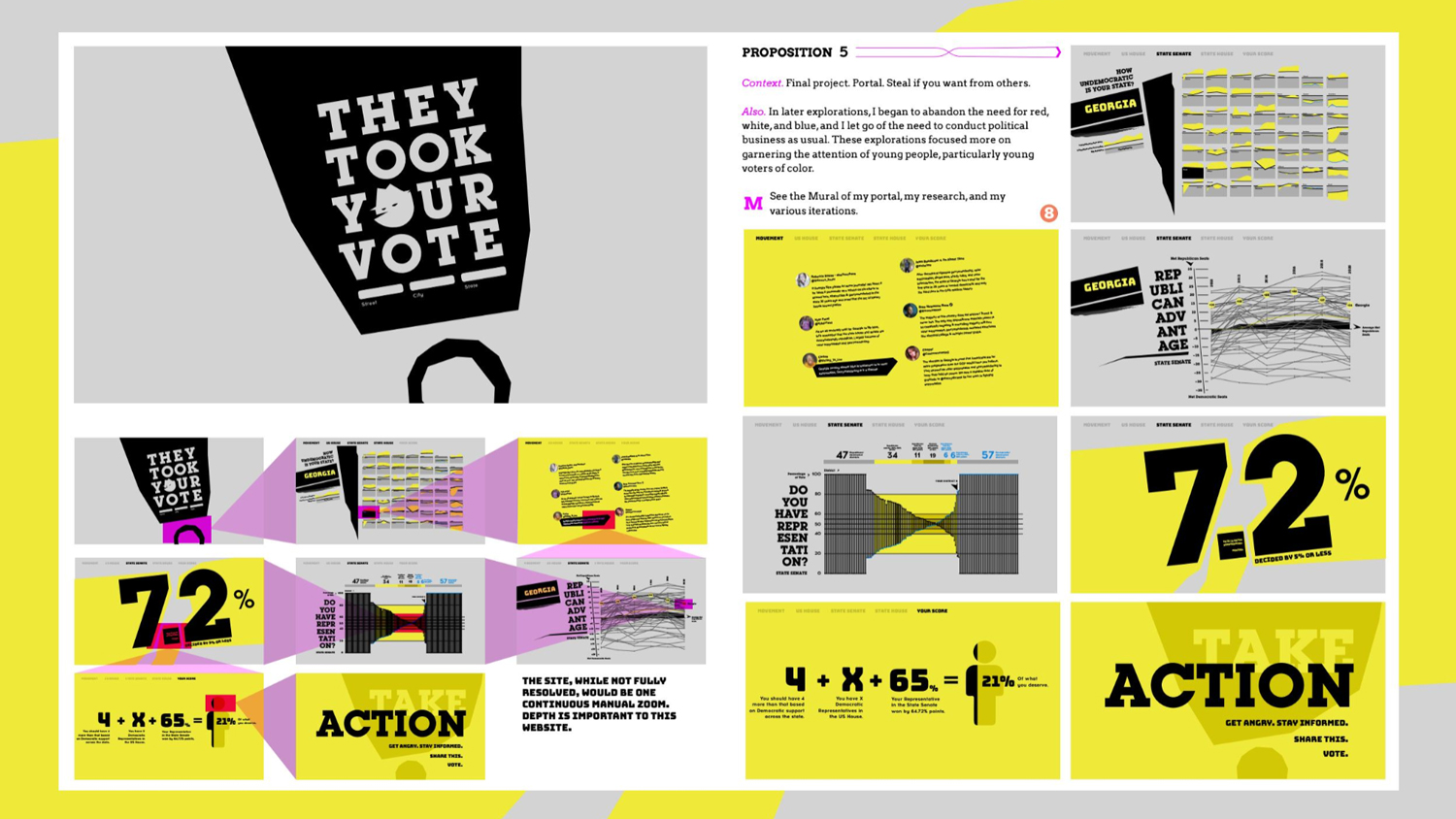


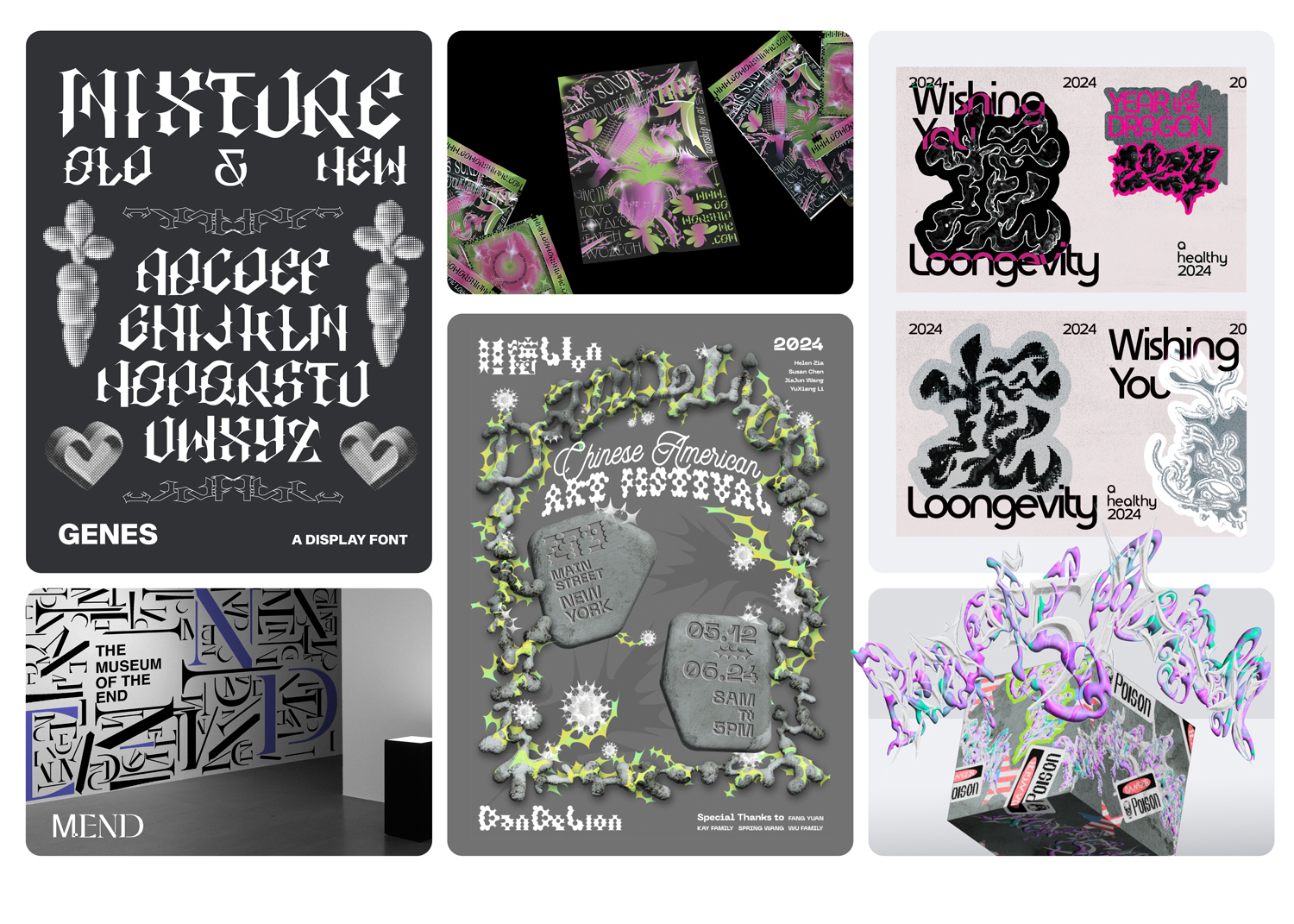
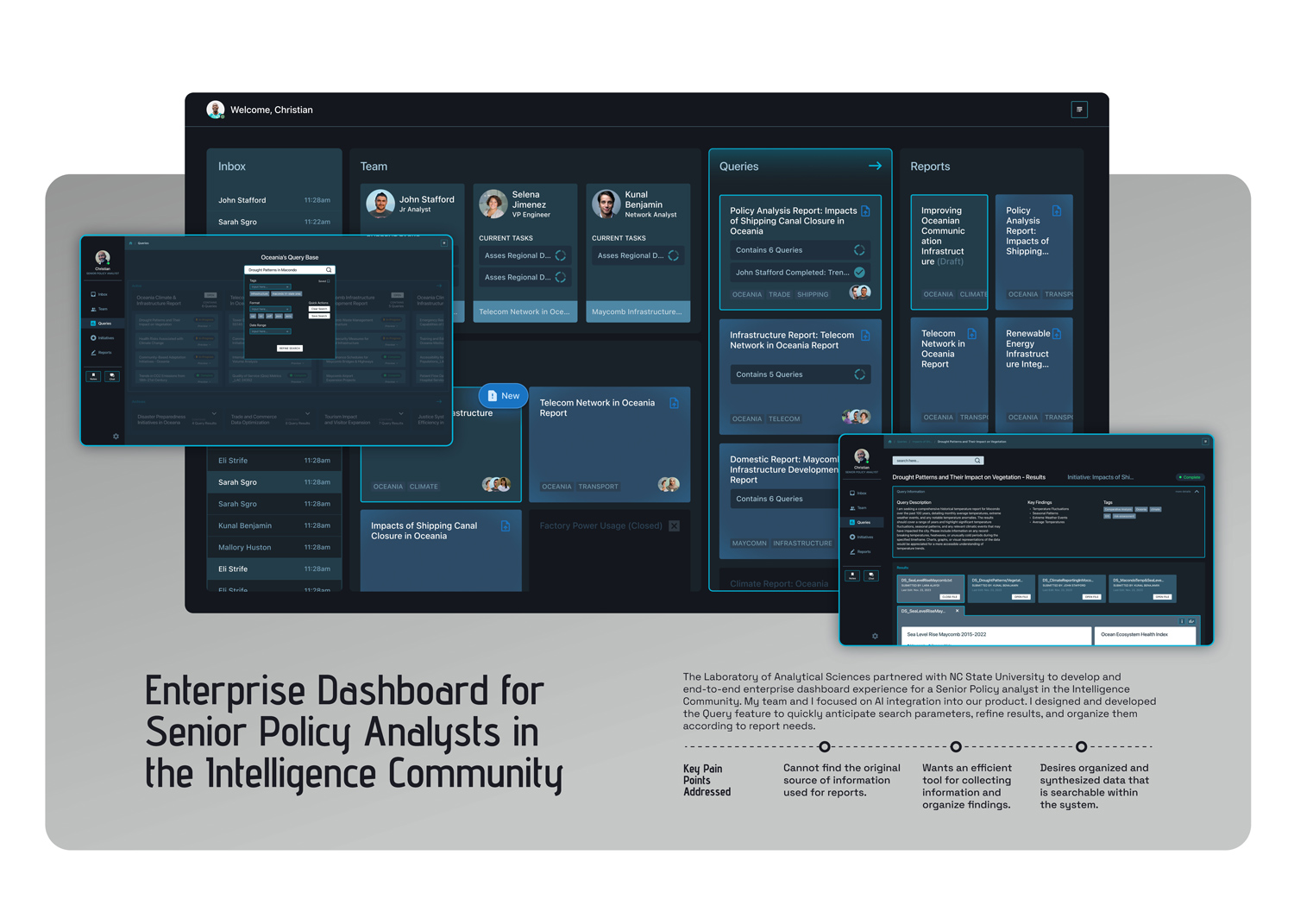
See Student Work
See more examples of student work here: Department of Graphic Design Student Work